
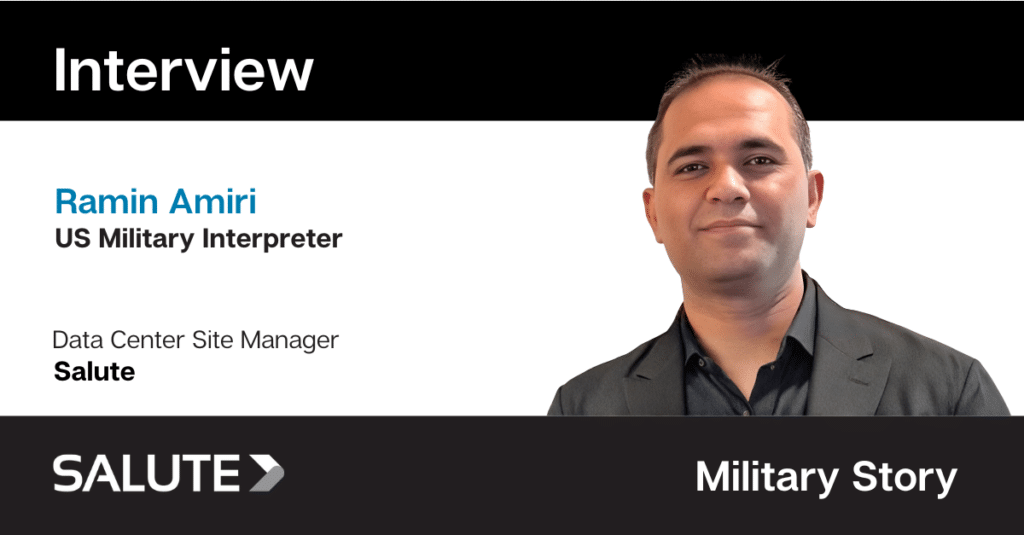
Lee Kirby, Salute Co-Founder and retired Army Colonel, interviewed Veteran Ramin Amiri, a retired US Army Interpreter and current Data Site Manager.
Before we dig in, our readers would love to get to know you a bit. Can you tell us a bit about your childhood “backstory”?
My childhood was shaped by hardship and resilience. I grew up during a time of internal conflict in Afghanistan, which forced my family to immigrate to Pakistan in 1984. Life wasn’t easy, but my four brothers and I made the best of what we had, finding happiness in simple things. When I was about 10 years old, our financial situation pushed me to start sewing rugs for a company, a job I held until 2001. Those years taught me responsibility at a young age and gave me a deep appreciation for perseverance and family support.
What are you doing today?
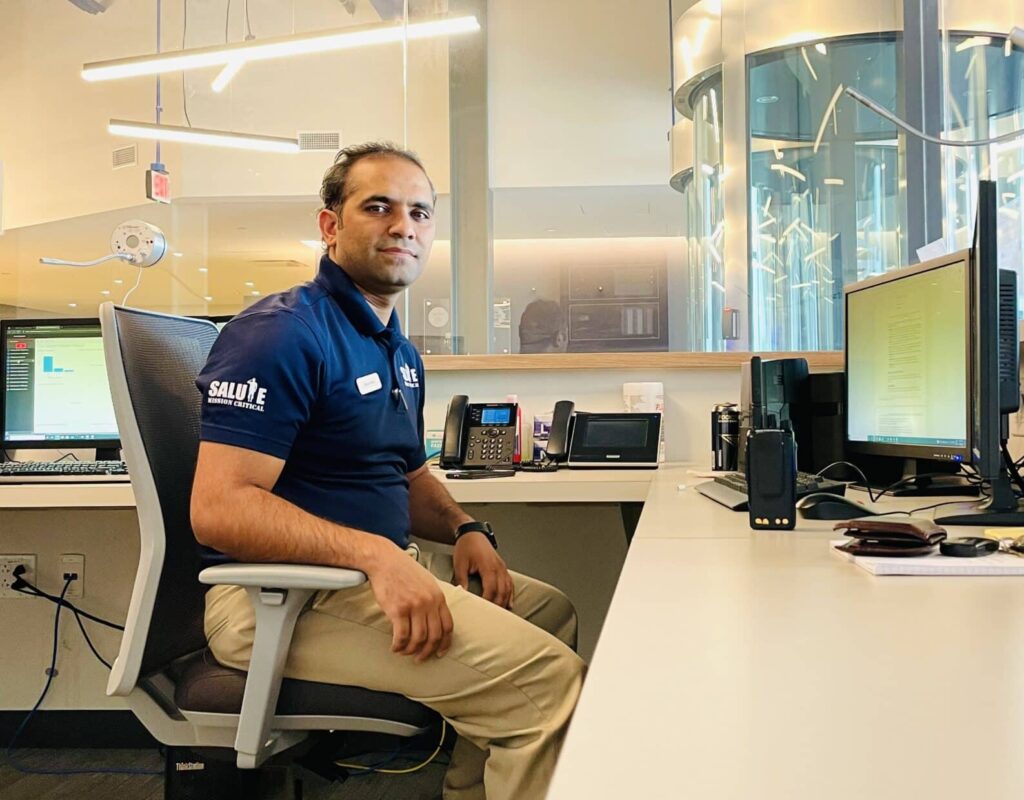
Currently, I am a Data Center Site Manager with Salute, supporting Compass Datacenters in Leesburg, Virginia. In my role, I manage the day-to-day operations of the site, provide customer support, coordinate and approve vendor maintenance activities, and lead a team of 11 employees. My primary focus is ensuring operational excellence and maintaining 100% data center uptime while fostering a culture of safety, reliability, and teamwork.
Can you tell us a bit about your military background?
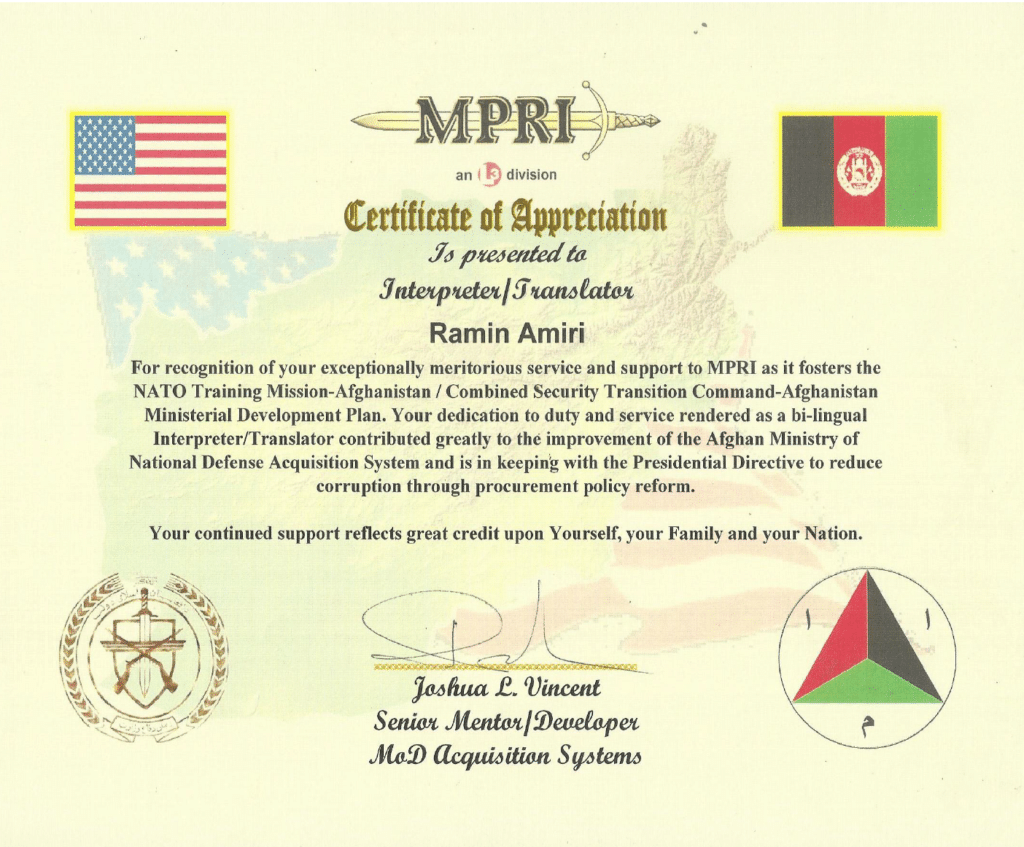
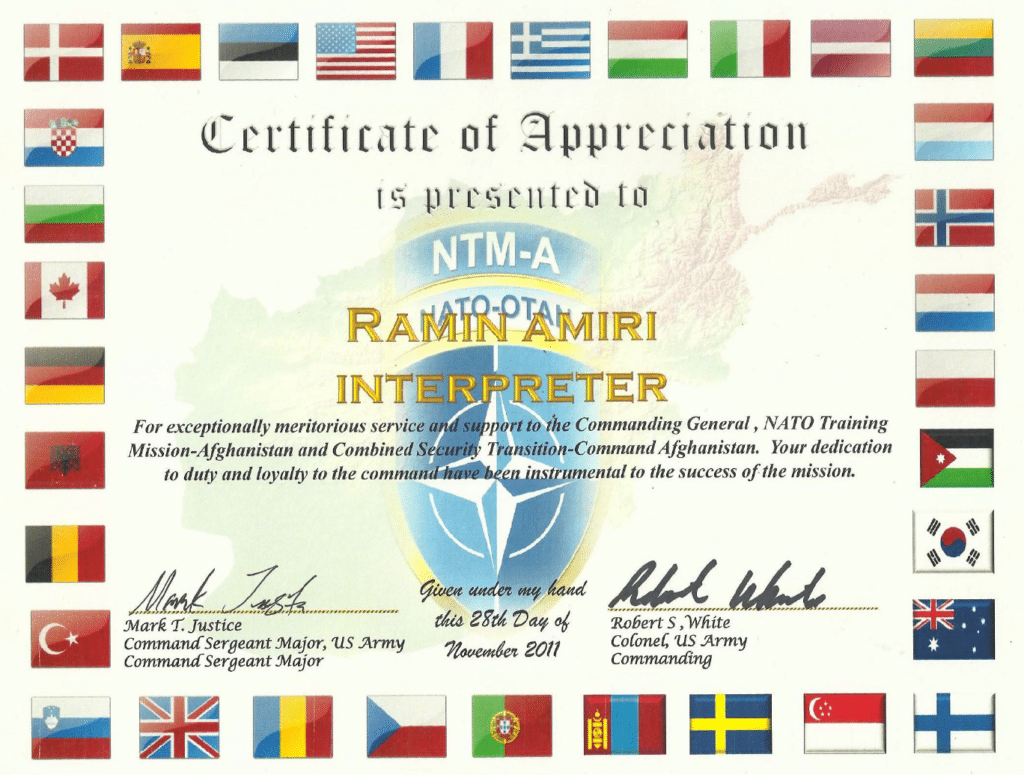
My experience working as an interpreter with the U.S. Military in Afghanistan was both challenging and deeply rewarding. It was an honor to serve alongside the U.S. Army and to support their mission in helping and protecting the Afghan people for nearly 21 years.
During my time as an interpreter, I faced many difficult and dangerous situations — including exposure to blasts and witnessing the loss of lives. Those moments were extremely hard, but they also strengthened my resilience and sense of purpose. Despite the challenges, I remained committed to my duty and proud to contribute to a mission focused on stability, safety, and rebuilding.
I am deeply grateful for the U.S. presence in Afghanistan and the positive impact it had on our communities. They provided financial support, created countless job opportunities, and helped improve the lives of many Afghan citizens.
On a personal level, I had an excellent working relationship with my U.S. colleagues. I learned a great deal from them — not only about professionalism and teamwork but also about the English language and American culture. Over my 10 years of service, those experiences helped shape who I am today.
In summary, my time with the U.S. Military was meaningful, educational, and life changing. It taught me discipline, adaptability, and appreciation for working toward a greater purpose.
Can you share an interesting experience from your military career? What lesson did you take from it?
One of the most memorable and meaningful experiences from my time as an interpreter with the U.S. Military was during a joint mission in a rural area of Afghanistan. We were tasked with meeting local community leaders to discuss security concerns and ways to support local development. Communication was critical — any misunderstanding could easily create tension.
At first, the local elders were very hesitant to engage with the U.S. forces. They were worried and suspicious, and the atmosphere was tense. My role as the interpreter became much more than just translating words — it was about building trust, showing respect for both cultures, and helping both sides understand each other’s intentions.
By carefully translating not only the language but also the meaning and tone behind each side’s message, I was able to help bridge that gap. The meeting ended with both groups shaking hands and agreeing to work together. Seeing that moment of understanding — after so much fear and uncertainty — reminded me why interpretation is such an important skill and responsibility.
The biggest takeaway from that experience was learning the power of communication, patience, and empathy. I realized that as an interpreter, I wasn’t just transferring language skills. I was building relationships and creating trust between two very different worlds. That lesson has stayed with me ever since and continues to guide how I work and interact with others today.
Did your military experience help prepare you for business and leadership? How?
Yes, absolutely. My experience as an interpreter for the U.S. Military played a major role in preparing me for leadership and business environments. Working in that setting required clear communication, discipline, adaptability, and strong problem-solving skills — all of which are essential qualities in any leadership role.
As an interpreter, I often had to make quick decisions under pressure, manage sensitive information, and communicate effectively between people from very different cultural and professional backgrounds. Those experiences taught me how to stay calm in high-stress situations, listen carefully, and find solutions that work for everyone involved.
I also learned a great deal about teamwork and accountability from my U.S. colleagues. Every mission required coordination, trust, and precision — values that directly translate into managing teams, projects, and business operations today.
Overall, my time with the U.S. Military shaped my leadership mindset. It taught me to lead by example, communicate with honesty and respect, and stay mission-focused no matter how challenging the situation becomes.
None of us are able to achieve success without some help along the way. Is there a particular person who you are grateful towards who helped get you to where you are? Can you share a story?
Yes, absolutely. I truly believe no one achieves success alone. For me, one of the people I’m most grateful to is my former U.S. Army supervisor, who guided and supported me throughout my interpreter career in Afghanistan.
When I first started working with the military, everything was new — the systems, the culture, and even the professional expectations. My supervisor recognized my potential and took the time to mentor me. He didn’t just treat me as a translator, but as part of the team. He taught me how to handle stressful situations, how to communicate effectively with soldiers and local leaders, and most importantly, how to stay calm and professional even when things become dangerous.
I remember one mission when communication between local leaders and U.S. forces was breaking down. Tensions were high, and emotions were running strong. My supervisor trusted me to step in, translate carefully, and de-escalate the situation. His confidence in me gave me the courage to take responsibility and help both sides find common ground. That moment showed me the power of trust and mentorship — and it’s something I’ve carried with me ever since.
The biggest lesson I learned from him was that leadership isn’t about authority — it’s about guiding, trusting, and empowering others. His support helped me grow personally and professionally, and I’ll always be grateful for the impact he had on my life and career.
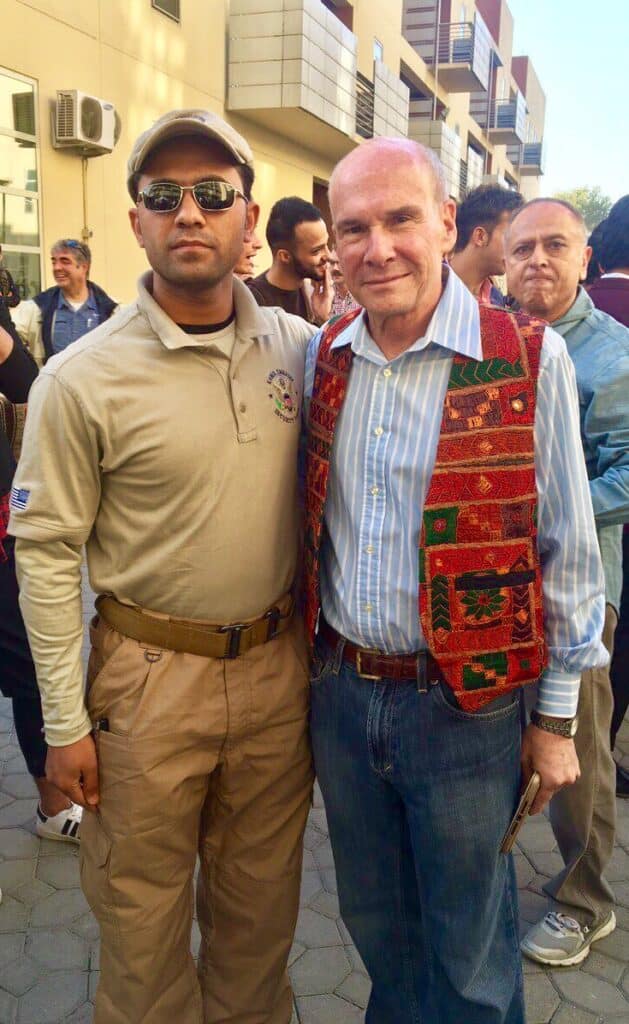
If you could inspire a movement that would bring the most good to the most people, what would it be?
If I could inspire a movement that would bring the best to the greatest number of people, it would focus on cross-cultural understanding and communication through education.
My experience as an interpreter with the U.S. Military in Afghanistan showed me how powerful understanding and communication can be — and how dangerous the lack of it is. Miscommunication can create fear, conflict, and division, but when people truly listen to and respect each other, it opens doors to peace, collaboration, and progress.
I would want to create a movement that helps young people — especially in developing countries — learn languages, leadership, and communication skills that connect them to the world. It could provide mentorship, educational resources, and cultural exchange opportunities, helping them build bridges instead of barriers.
I believe if more people learned how to communicate with empathy and respect, we’d see stronger communities, fewer conflicts, and a more united world. Even a small effort toward understanding each other can spark change that lasts for generations.
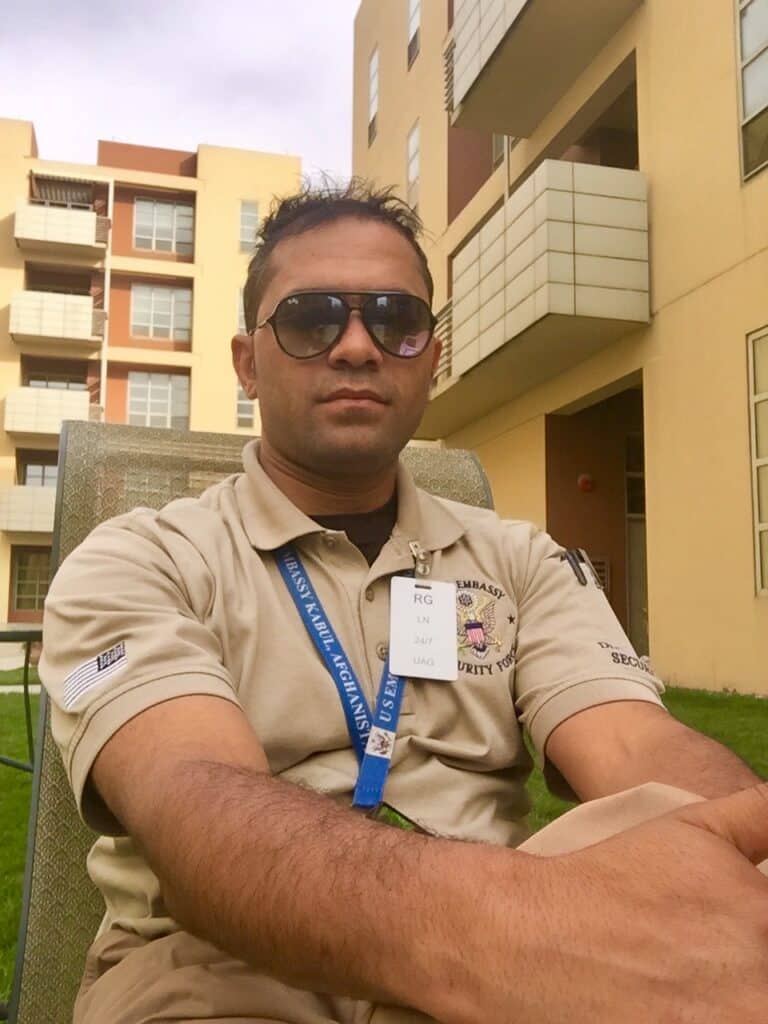
How can our readers follow you online?
Now, I prefer to keep a low online profile, but I’m always open to connecting professionally.
Anyone interested in my work or experience can reach out to me through LinkedIn or via email for professional discussions and networking.